
Minerals for Bone Health: Supporting Strong Bones Through Nutrition

Bone health is often associated with calcium alone, however the human skeletal system relies on a complex network of nutrients working together to maintain bone structure, mineral balance, and healthy bone turnover throughout life.
Bones are living tissue that continuously undergo remodelling — a process involving the breakdown of old bone and the formation of new bone. Adequate nutrition, movement, digestive health, hormonal balance, and lifestyle factors all influence this process.
While nutritional support may assist in maintaining healthy bones, it is important to understand that no nutrient, supplement, or dietary strategy should be viewed as a sole treatment for osteoporosis or other medical conditions. Individuals with concerns regarding bone density or fracture risk should seek personalised medical advice from their healthcare practitioner.
Why Bone Health Matters
Bone mineral density naturally changes with age. Factors that may influence bone health include:
Ageing
Menopause and hormonal changes
Low dietary intake of key nutrients
Digestive dysfunction and poor nutrient absorption
Chronic inflammation
Sedentary lifestyle
Smoking and excess alcohol intake
Certain medications
Low muscle mass and inadequate protein intake
Maintaining healthy bones involves more than simply increasing calcium intake. Bone tissue requires a wide range of minerals and nutrients that work synergistically.
Acid-Base Balance and Bone Health
One often overlooked aspect of bone health is the body’s acid-base balance.
The body tightly regulates blood pH within a narrow range. When dietary and lifestyle factors contribute to a more acidic internal environment, the body may utilise alkaline mineral reserves as part of its buffering systems.
Bone tissue acts as one of the body’s major mineral reservoirs. Minerals such as calcium and magnesium can be mobilised from bone tissue to help maintain normal acid-base balance.
Over time, factors that may contribute to increased dietary acid load include:
Highly processed diets
Excess refined sugar intake
High soft drink consumption
Excess alcohol intake
Low vegetable intake
Chronic stress
Sedentary lifestyle
Diets rich in vegetables, fruit, herbs, and mineral-containing whole foods generally provide more alkalising compounds such as potassium, magnesium, and citrate salts.
The Role of Citrate Forms of Minerals
Certain mineral forms, such as:
Magnesium citrate
Calcium citrate
Potassium citrate
Zinc citrate
may be better tolerated by some individuals and also contribute citrate, which is metabolised into bicarbonate within the body.
Bicarbonate acts as part of the body's natural buffering systems that help maintain normal acid-base balance.
This is one reason citrate forms of minerals are often used in clinical practice where digestive tolerance, urinary mineral balance, or acid-base support are considerations.
Importantly, the body tightly regulates blood pH, and nutrition should be viewed as one supportive factor within overall metabolic health rather than a method of “alkalising the blood.”
Key Minerals and Nutrients Involved in Bone Health
Calcium
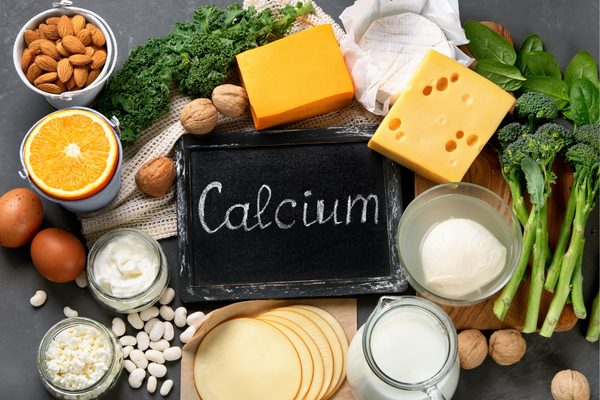
Calcium is the primary mineral found in bones and teeth. It contributes to the structure and hardness of bone tissue.
Dietary calcium can be obtained from:
Dairy foods
Sardines with bones
Tahini
Almonds
Leafy greens
Mineral-rich broths
However, calcium metabolism is heavily dependent on other nutrients, particularly vitamin D and vitamin K2.
Vitamin D3
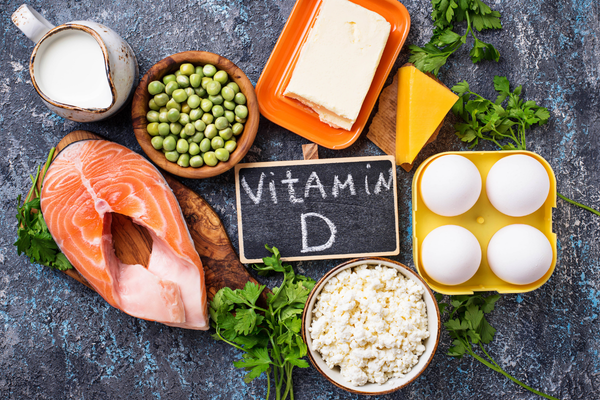
Vitamin D assists with calcium absorption from the digestive tract and plays an important role in maintaining normal bone mineralisation.
Low vitamin D levels are relatively common and may occur due to:
Limited sun exposure
Ageing
Gut dysfunction
Increased body fat
Seasonal variation
Healthcare practitioners may recommend vitamin D testing where appropriate.
Vitamin K2
Vitamin K2 helps activate proteins involved in directing calcium into bones and teeth.
It is involved in the activation of osteocalcin, a protein associated with bone mineralisation. Vitamin K2 also plays a role in supporting normal calcium distribution within the body.
Dietary sources include:
Natto
Egg yolks
Certain cheeses
Organ meats
Magnesium

Magnesium is involved in hundreds of enzymatic reactions within the body and contributes to:
Bone structure
Muscle function
Nervous system regulation
Vitamin D metabolism
Acid-base regulation
Low magnesium intake may affect bone integrity over time.
Magnesium-rich foods include:
Pumpkin seeds
Leafy greens
Cacao
Nuts and legumes
Zinc

Zinc plays a role in bone tissue formation and repair and is involved in collagen production and enzyme activity associated with bone metabolism.
Low zinc status may occur with:
Poor digestive function
Restrictive diets
Chronic stress
Long-term use of certain medications
Boron
Boron is a trace mineral involved in mineral metabolism and may influence the utilisation of calcium, magnesium, and vitamin D within the body.
Boron is naturally found in:
Prunes
Avocados
Nuts
Legumes
Fruit
Manganese
Manganese contributes to connective tissue formation and is involved in the production of compounds that support bone and cartilage structure.
It also plays a role in antioxidant enzyme systems.

Selenium
Selenium is an antioxidant mineral involved in protecting cells from oxidative stress. Emerging research suggests oxidative stress and inflammation may influence bone health over time.
Selenium-containing foods include:
Brazil nuts
Seafood
Eggs
Meat
Potassium
Potassium-rich diets, particularly those high in vegetables and fruit, may help support healthy acid-base balance within the body.
Diets low in plant foods may contribute to higher dietary acid load, which some research suggests could influence bone mineral balance.
Molybdenum is a trace mineral involved in various enzymatic processes in the body. While less commonly discussed in bone health conversations, it contributes to normal metabolic function and overall nutrient interactions.
Bone Health Is More Than Minerals
Bone integrity depends on more than supplementation alone. Important lifestyle factors include:

Resistance Training and Movement
Weight-bearing exercise and resistance training help stimulate bone remodelling and support muscle mass.
Examples include:
Walking
Pilates
Strength training
Stair climbing
Resistance bands
Protein Intake
Bone tissue contains a significant protein matrix, particularly collagen.
Adequate protein intake is important for:
Bone structure
Muscle maintenance
Recovery and repair
Digestive Health and Absorption
Optimal stomach acid, digestive enzyme function, and gut integrity influence nutrient absorption.
Digestive issues may affect the absorption of:
Calcium
Magnesium
Zinc
Fat-soluble vitamins including D and K
Hormonal Health
Hormones such as oestrogen, testosterone, cortisol, thyroid hormones, and parathyroid hormone all influence bone metabolism.
This is particularly relevant during:
Perimenopause
Menopause
Ageing
A Food-First Foundation
A nutrient-dense diet remains foundational for supporting bone health.
Key dietary principles include:
Adequate protein intake
Plenty of vegetables
Mineral-rich whole foods
Healthy fats
Sufficient sunlight exposure where appropriate
Reducing smoking and excess alcohol intake
Supplementation may be appropriate in some individuals, however this should be individualised and guided by a qualified healthcare practitioner.
When to Seek Support
You may benefit from professional support if you:
Have a family history of osteoporosis
Have experienced fractures
Are post-menopausal
Experience digestive issues affecting nutrient absorption
Have restrictive dietary patterns
Have been told you have low bone density
Are concerned about long-term bone health
A personalised assessment may include:
Dietary review
Lifestyle assessment
Pathology interpretation
Nutrient considerations
Digestive health evaluation
Final Thoughts
Bone health is multifactorial and requires a comprehensive approach that includes nutrition, movement, digestive function, hormonal balance, acid-base balance, and lifestyle support.
Minerals such as calcium, magnesium, zinc, boron, manganese, selenium, potassium, and molybdenum — alongside vitamins D3 and K2 — all play interconnected roles in maintaining healthy bone structure and mineral balance.
Supporting Your Bone Health Holistically
Bone health is highly individual and influenced by nutrition, digestion, hormones, lifestyle, movement, and overall metabolic health. A personalised approach may help identify nutritional gaps, dietary patterns, digestive factors, and lifestyle considerations that could be impacting long-term bone integrity and mineral balance.
If you would like support with your nutrition, supplementation, digestive health, or overall wellness approach to healthy ageing and bone health, you can book a consultation with Linda Dal Molin, Clinical Nutritionist and Naturopath.
Consultations are tailored to the individual and may include:
Dietary and lifestyle assessment
Nutritional guidance
Functional pathology interpretation
Supplement considerations
Digestive health support
Holistic wellness strategies to support healthy ageing and bone health
For bookings and further information, the link here:.........
Disclaimer
This article is intended for educational purposes only and does not constitute medical advice. Nutritional supplements are not intended to diagnose, treat, cure, or prevent any disease. Always seek personalised advice from your healthcare practitioner before commencing new supplements or making significant dietary changes.
About the Author
Linda Dal Molin, Naturopath
I'm Linda Dal Molin, a naturopath and clinical nutritionist with a postgraduate Master’s degree in Human Nutrition. I’ve used the GI-MAP test in my clinical practice for over 7 years, helping hundreds of clients uncover hidden gut imbalances and restore their health. I’ve also trained thousands of integrative health practitioners across Australia on interpreting and applying GI-MAP results — so you can be confident you’re working with someone who knows this test inside and out.
When we work together, you’re not just getting test results — you’re getting expert analysis, clear explanations, and a practical plan that works in real life.


Comments