
Running Pain: What’s Normal vs What Needs Attention
By Jack Rayment, Physiotherapist

Running is one of the most popular ways to stay active; but it’s also one of the most common sports injuries physiotherapists see. Many runners worry that any pain means injury, while others push through discomfort that probably deserves a closer look. So how do you tell the difference?
Let’s break down what’s normal, what’s not, and when it’s time to get some help.
Some Discomfort Is Normal (Especially at First)
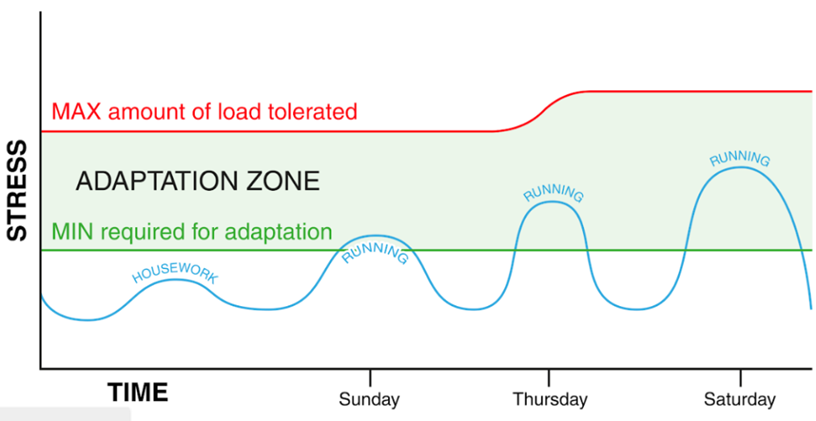
If you’re new to running, returning after a break, or increasing your distance or speed, it’s normal to experience some aches and stiffness. This is your body adapting to a new load.
Common “normal” running sensations include:
Mild muscle soreness (especially calves, quads, or glutes)
General stiffness that eases once you warm up
Symmetrical soreness on both sides of the body
Discomfort that settles within 24–48 hours
This type of soreness usually improves as your body gets stronger and more efficient. It’s part of the adaptation process; not a sign you’ve done damage.
Pain That Deserves More Attention
Some pain patterns suggest your body is struggling to keep up with the load you’re placing on it. Ignoring these signs can turn a manageable issue into a longer-term injury.
Red flags to watch for:

Pain that gets worse during a run, rather than easing
Pain that lingers or worsens after running
Sharp, stabbing, or catching pain
Pain that changes your running style (limping, avoiding weight)
Pain that’s localised to one spot, such as the knee, heel, or shin
Symptoms that don’t improve after a couple weeks of rest or modification
If pain is affecting how you run or how you recover, it’s worth paying attention to.
Common Running Pains (And What They Usually Mean)
Knee pain: Often linked to training load, strength, or control rather than “wear and tear”
Shin pain: Can signal that bones and tissues are under more stress than they’re ready for
Heel or Achilles pain: Frequently related to changes in volume, speed, or footwear
Hip pain: Sometimes reflects weakness, fatigue, or limited movement elsewhere

Importantly, these issues are rarely caused by a single “wrong step.” They usually develop gradually as training demands exceed your body’s current capacity.
Should You Stop Running Completely?
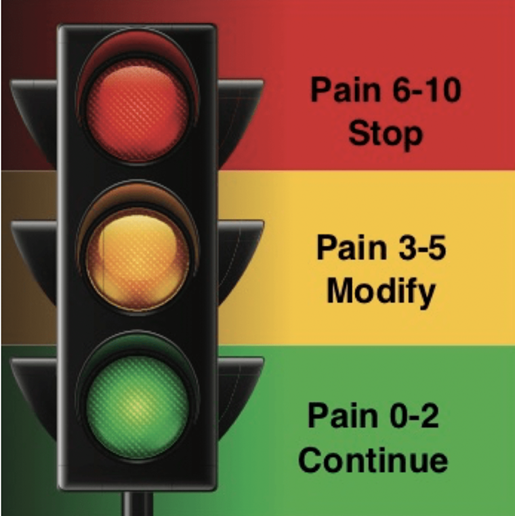
Not always! In many cases, modifying running is better than stopping entirely. This might mean:
Reducing distance or frequency
Slowing pace
Avoiding hills or speed sessions temporarily
Cross-training while symptoms settle
Complete rest isn’t always necessary and sometimes slows recovery. The goal is to find the right level of load for your body at that moment.
When Physiotherapy Can Help
Seeing a physiotherapist doesn’t mean you’ve “failed” or that running is off the table. In fact, early guidance often helps runners stay active and return to full training sooner.
Physiotherapy can help by:

Identifying why the pain developed (not just where it hurts)
Assessing strength, movement, and training load
Creating a tailored plan to build resilience
Guiding a safe return to running without fear
Manual therapy techniques
The Bottom Line
Running shouldn’t necessarily be pain-free all the time, but pain also shouldn’t be ignored.
A good rule of thumb:
If pain is mild, short-lived, and improving → monitor it
If pain is persistent, worsening, or changing how you run → get it checked
Your body is very good at giving feedback. Learning to listen to it and respond early to keep you running longer, stronger, and with more confidence.
About the Author
Jack Rayment, Physiotherapist
Jack Rayment is a Physiotherapist with a Masters of Physiotherapy from The University of Sydney and a strong background in biomechanics and human movement. He has broad clinical experience across hospital and private practice settings, both locally and internationally. Jack takes a holistic, patient-centred approach, focusing on thorough assessment and tailored treatment plans to support both short and long-term outcomes.


Comments